


1. Select core hardware components
High-quality controllers, servo motors, sensors, and other core components are selected to ensure stable hardware performance and reduce operational failures caused by component quality issues. The drive module adopts an overload protection design, which can automatically cut off power output when the load is abnormal, preventing circuit damage from affecting the control system. The connection lines use special cables that are heat-resistant and anti-aging, and the interfaces are reinforced to prevent looseness or poor contact from causing signal interruption.
2. Optimize control software design
The modular programming architecture makes the control logic clear and concise, facilitating debugging and maintenance, and reducing operational anomalies caused by software vulnerabilities. The addition of a fault self-diagnosis function monitors the system status in real time, automatically alarming and activating protection mechanisms when program errors or parameter anomalies are detected. A parameter fault tolerance mechanism is set in the software to avoid system crashes caused by erroneous input and ensure the proper execution of operating instructions.
3. Strengthen anti-interference measures
The control system housing is grounded to reduce electromagnetic radiation interference on the internal circuit and ensure stable signal transmission. A filter device is installed in the power supply line to suppress voltage shocks caused by grid fluctuations and provide a stable power supply for the control system. The sensor signal line adopts a shielded design to prevent arc interference during welding from affecting detection accuracy and ensure accurate position feedback.
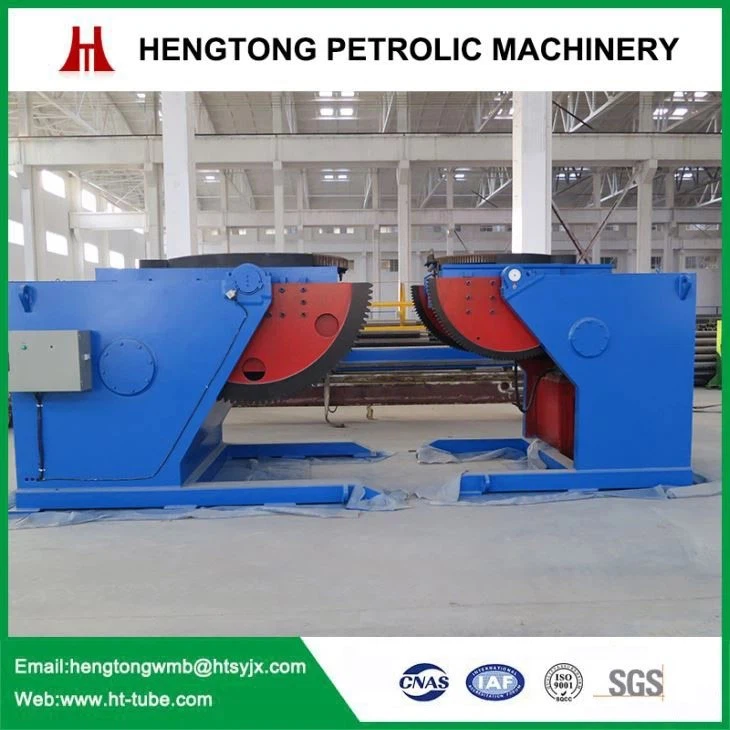
4. Standardize maintenance and calibration processes
Regularly clean and dust the control system to prevent dust accumulation from causing circuit short circuits or poor heat dissipation. Periodically calibrate sensors and actuators to ensure that position accuracy and motion response meet set standards and reduce the impact of accumulated errors on stability. Timely update the control software version, fix known vulnerabilities, optimize operating logic, and improve the long-term reliability of the system.
5. Adapt to complex working environment
The control system should be installed away from welding spatter areas and, if necessary, equipped with a protective cover to prevent high-temperature metal particles from damaging the equipment. In humid or dusty environments, a sealed cabinet design should be used, equipped with dehumidification or dustproof devices to maintain a dry and clean internal environment. For high-temperature environments, cooling fans or cooling devices should be added to prevent performance degradation due to overheating and ensure stable system operation.
If you are interested in learning more about Welding Positioners & Turntables, please contact Hengtong Petroleum Machinery for more information. Our professional team is always on call, willing to listen to your needs and provide you with tailored consultation and guidance.